 Français
 Español
 English
 Portuguese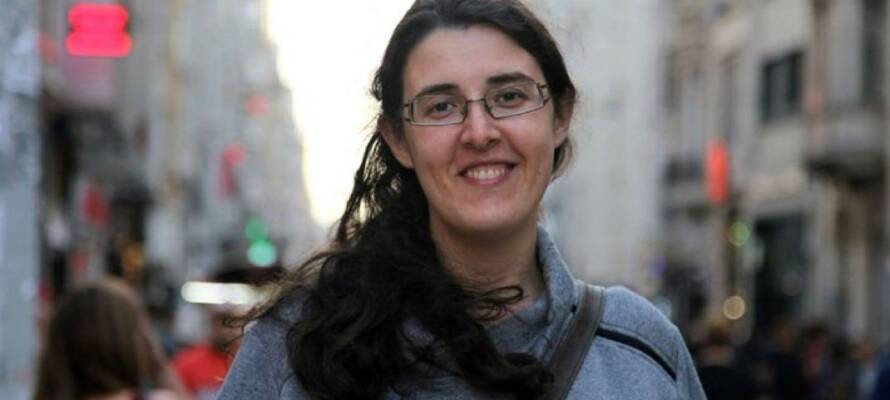
Trump’s statement linking Tsurkov’s freedom to a demand that Hamas release Israelis underscores how each successful recovery resets deterrence—and narrative—across the proxy ecosystem.
Israeli-Russian researcher Elizabeth Tsurkov, abducted in Baghdad by Iran-backed Kataib Hezbollah terrorists in 2023, has been released and is now inside the U.S. Embassy compound in Iraq, according to her family and President Donald Trump.
The AP confirms her transfer to U.S. hands after more than 900 days in captivity. Trump announced the news on Truth Social, saying Tsurkov is “now safely in the American Embassy in Iraq” and urging Hamas to free Israeli hostages next.
This outcome didn’t fall from the sky. In recent months, Trump’s hostage envoy Adam Boehler repeatedly leaned on Baghdad—meeting Prime Minister Mohammed Shia al-Sudani in person and warning that Washington expected action—while the administration weighed economic and diplomatic pressure to get results.
Israeli officials long assessed that Kataib Hezbollah, an IRGC-aligned militia the U.S. designates as a Foreign Terrorist Organization, held Tsurkov—a reading that guided Israel’s quiet diplomacy even without formal ties to Iraq.
Earlier this year, Iraq’s foreign minister publicly affirmed she was alive and that efforts to secure her release were underway, a signal that a channel existed—even if opaque—between Baghdad and the militia network.
Why it matters: prying an Israeli captive from an Iranian proxy in Iraq punctures the aura of impunity around Tehran’s militia architecture.
It also shows synchronized leverage works: Israel rallied partner governments to use their embassies in Baghdad while Washington escalated the political cost of failure for Iraq’s leadership.
Trump’s statement linking Tsurkov’s freedom to a demand that Hamas release Israelis underscores how each successful recovery resets deterrence—and narrative—across the proxy ecosystem.
Context worth knowing: Tsurkov vanished in Baghdad while conducting Princeton-approved field research; a hostage video aired months later was the only direct proof of life during her ordeal.
Israel publicly named Kataib Hezbollah early on, a militia with a track record of attacking U.S. and allied targets and formally designated by Washington; that framing shaped the international campaign around her case.
Over the past year, multiple reports described U.S. pressure and exploratory deal-making—including Iraqi interlocutors testing swaps for Iran-linked detainees—though the White House never confirmed specifics.
What’s next: U.S. officials will move quickly to extract Tsurkov from Iraq for medical evaluation and debriefings.
Expect Baghdad to present this as a sovereign success to keep relations steady with Washington while avoiding open confrontation with Iran’s proxies.
For Israel, this is a needed win in a brutal hostage diplomacy season—one that strengthens the case for sustained pressure on Iran-sponsored groups holding Israelis from Gaza to Lebanon.
Do You Love Israel? Make a Donation - Show Your Support!

Donate to vital charities that help protect Israeli citizens and inspire millions around the world to support Israel too!
Now more than ever, Israel needs your help to fight and win the war -- including on the battlefield of public opinion.
Antisemitism, anti-Israel bias and boycotts are out of control. Israel's enemies are inciting terror and violence against innocent Israelis and Jews around the world. Help us fight back!

