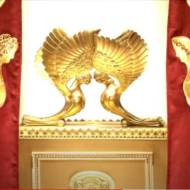
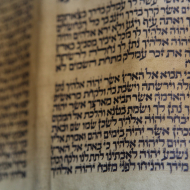
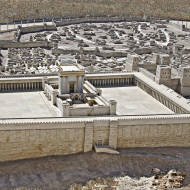
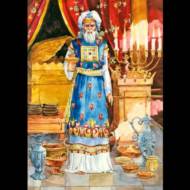
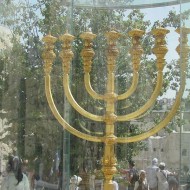
This week’s Torah portion is Behalotecha (Numbers 8:1–12:16), and in it we read about many of the utensils of the Temple, including the Ark of the Covenant.
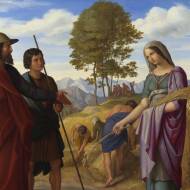
The Book of Ruth is much more than a story about one woman’s conversion to Judaism and love for the Jewish people. Many laws and customs are based on her experiences.
This week's reading includes a terrible curse on the Jewish people for disobeying His commands, but even when He must curse us, He always adds a blessing.
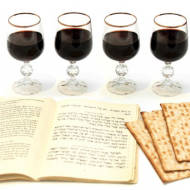
Towards the end of the Seder we move away from reliving the past and focus on the future. We express our deepest longing for the arrival of the Messianic era.
One of the most fun songs for children at the Passover seder is "Chad Gadya," meaning "One Little Goat." But for adults, there are some profound interpretations.
As we clean our homes for Passover, also we must search our hearts and our deeds. We must take stock and engage in self-reflection, judging where we can improve.
Moses teaches us that no matter how committed we are to an opinion or position in an argument, the relationship is always more important than the disagreement.
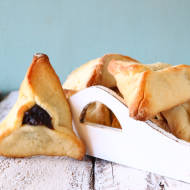
The word for "weaken" in Hebrew is "Tash." Take a three-cornered cookie, each representing one of the three forefathers, and you have "Haman tash" - "Haman was weakened."
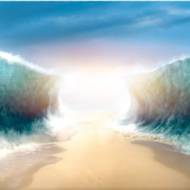
This week’s Torah reading is 'Beshalach' (Exodus 13:17–17:16), and it we read about the most spectacular miracle in the entire Bible: the splitting of the Red Sea.
The Torah is full of lessons for everyday living, which can be found not only in the statements and actions of great leaders like Moses, but even in the behavior of animals.
We can affect change in this world and influence the order of events. Our good deeds affect change for the better, and our misdeeds can affect change for the worse.
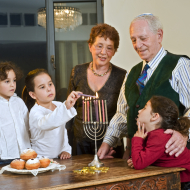
All year round, we must battle the forces of darkness by adding more and more light to the world. Chanukah reminds us that this is a battle we must face every day.
The menorah, a seven-branched candelabrum, is the oldest symbol of the Jewish religion and modern symbol of the State of Israel. A nine-branch variation is used for the observance of Chanukah - the Festival of Lights.
 Français
 Español
 English
 Portuguese