Such events are particularly complex, as many patients suffer minor physical injuries or psychological trauma, but cannot be discharged promptly because they have nowhere to go.
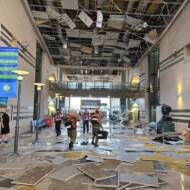
After a missile strike hit Israel’s Soroka Hospital, scientists managed to save five years of research on how the metabolism drives diseases like diabetes, Crohn’s, and cancer -- preserving breakthroughs for future precision medicine.
The donation comes as Soroka works to restore operations following the June attack, which left at least 80 staff and patients wounded and forced the suspension of most services.
As Iranian missiles rained down, Soroka Hospital defied destruction by delivering over 100 babies in fortified wards—turning a war zone into a cradle of resilience and life.
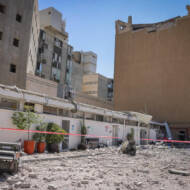
Thus far, the Magen David Adom (MDA) emergency response group has reported treating more than 30 people injured across the country in the latest wave of missile strikes.
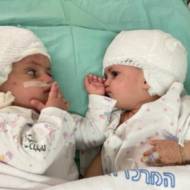
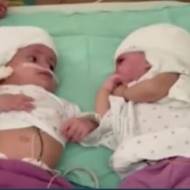
In what doctors described as a 'life or death' operation, one-year-old twins conjoined at the head were separated and are expected to live completely normal lives.
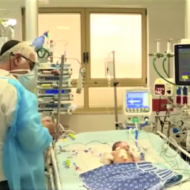
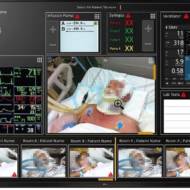
Hi-tech giants and medical experts are developing a new system to monitor coronavirus patients in serious condition while limiting doctors' and nurses' exposure to the deadly virus.
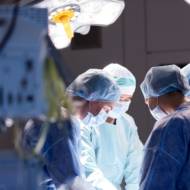
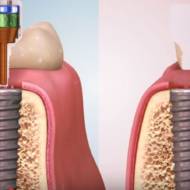
An Israeli company developed technology that could speed up the process and improve bone quality in patients, and doctors at Hadassah Medical Center in Jerusalem removed a tumor from the spine of a 3-year-old Palestinian Arab boy from Gaza to prevent him from becoming paralyzed, and much more.
Join More than
12,294,795
United With Israel
You will receive updates from Israel (see privacy policy)
 Français
 Español
 English
 Portuguese