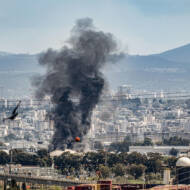
Iran has fired at least 575 missiles at Israel, some carrying cluster munitions that break up into additional warheads before impact, and 765 unmanned aerial vehicles since Feb. 28.
By keeping a narrow economic lifeline open—such as continued oil exports—Washington may be attempting to prevent further escalation while preserving incentives for restraint within Iran’s political system.
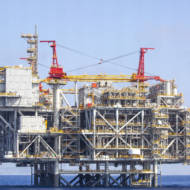
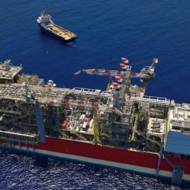
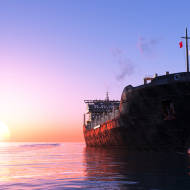
Data from analytics firms Kpler and Vortexa show that volumes of Azerbaijani oil reaching Israel from Turkey's Ceyhan terminal rose 31% from a year earlier to an average of 94,000 barrels per day, the largest flow since 2022.
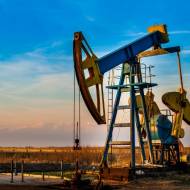
An Israeli partnership announced that an oil field they have been surveying north of the Dead Sea is estimated to hold seven million barrels of oil, worth NIS 1.2 billion ($321 million).
Saudi Arabia has plans to issue select visas to welcome tens of thousands of tourists a year as part of a sweeping national reform plan aimed at showcasing the country's rich heritage.
Iran is reaping the fruits of the nuclear deal. The question remains - will they will use the proceeds for the betterment of their country or for terrorism and weapons development?
Israel has imported around 75 percent of its oil in recent months from the semi-autonomous Kurdish region of northern Iraq. By doing so, it offers a vital source of funds for the Kurds in order to fight Islamic State.
Join More than
12,293,990
United With Israel
You will receive updates from Israel (see privacy policy)
 Français
 Español
 English
 Portuguese