 Français
 Español
 English
 Portuguese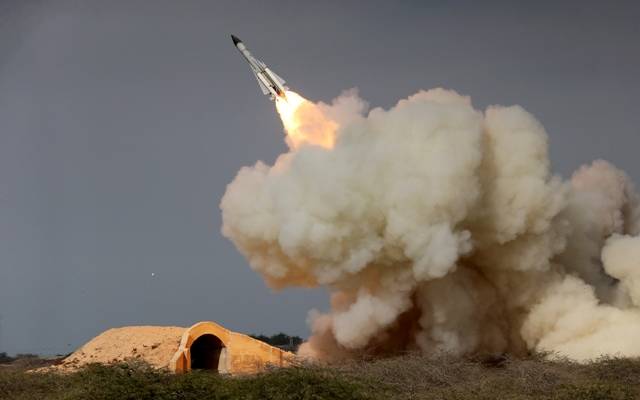
Iran has restarted limited manufacturing of ballistic missiles, launch platforms, and anti-aircraft systems.
By Ailin Vilches Arguello, The Algemeiner
New Israeli intelligence assessments suggest Iran has resumed production of key missile, drone, and air defense systems, potentially restoring significant military capabilities far sooner than previously expected, according to a report by the Israeli news outlet Mako.
The reported findings cast doubt on earlier assessments that Tehran’s military infrastructure had been largely devastated during the war, instead suggesting that Iran’s defense industry was seriously damaged but not eliminated.
According to Mako, Iran has restarted limited manufacturing of ballistic missiles, launch platforms, and anti-aircraft systems using surviving components and production lines that either escaped destruction or have already been restored.
The regime has also reportedly recovered missiles and launchers from underground tunnel systems that were damaged or rendered inaccessible during the conflict.
Israeli officials cited in the report warned that Iran’s reconstruction efforts are advancing faster than initial intelligence estimates had projected. They argue that Tehran is exploiting the ceasefire and ongoing diplomatic negotiations to rebuild critical military capabilities.
Since the ceasefire began, Iran has reportedly intensified efforts to restore its ballistic missile, drone, and air defense production capacity.
The new assessments indicate that Iran could restore significant portions of its offensive drone capabilities within months. Missile production rates may recover within roughly a year, though some Israeli officials believe that timeline could be even shorter.
According to the report, Iran’s renewed missile and launcher production increasingly relies on spare parts and components transferred from remote sites that survived the conflict, as well as improvised and underground manufacturing facilities.
While early estimates suggested that roughly half of Iran’s missile launchers had been destroyed, newer Israeli assessments reportedly indicate that nearly two-thirds may remain operational, with many already extracted from tunnel systems that had previously been blocked.
Israeli officials have also pointed to Russian smuggling networks and Chinese support as important factors in Iran’s reconstruction efforts. However, the scale of such transfers is reportedly more limited than before because of increased US maritime pressure and restrictions on large-scale shipments.
An earlier report by The New York Times said China had supplied Iran with shoulder-fired anti-aircraft missiles, though Beijing has denied supporting Iran’s military campaign and has dismissed related allegations.
Previous US intelligence assessments reportedly estimated that much of Iran’s defense industrial base had been destroyed and would take years to rebuild. The newer Israeli assessments suggest the damage may have been less extensive than originally believed, with some sectors sustaining lighter damage and others potentially escaping destruction altogether.
There is still no consensus on how long Iran’s reconstruction will take. Current estimates range from several months to several years, depending on the weapons system and the scale of foreign assistance Tehran is able to secure.
Do You Love Israel? Make a Donation - Show Your Support!

Donate to vital charities that help protect Israeli citizens and inspire millions around the world to support Israel too!
Now more than ever, Israel needs your help to fight and win the war -- including on the battlefield of public opinion.
Antisemitism, anti-Israel bias and boycotts are out of control. Israel's enemies are inciting terror and violence against innocent Israelis and Jews around the world. Help us fight back!

