 Français
 Español
 English
 Portuguese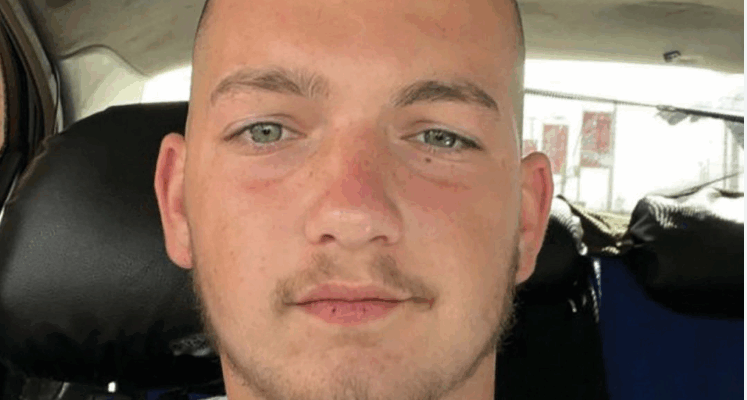
When Bar was freed, he asked to wear tzitzit, the traditional Jewish fringed garment. “I was shocked,” Julie said. “He had faith before, but not like this.”
By Shula Rosen
Bar Kupershtein, who endured months of starvation, beatings, and psychological abuse while held captive in Gaza, yet he was able to work to relieve some measure of suffering for himself and his fellow hostages.
His mother, Julie Kupershtein, told Army Radio that her son “fixed the electricity, dug the waste pit, built a small water channel, and even made an area in the tunnel where they could sit alone when things were hard.”
Despite constant hunger and fear of death, she said Bar remained calm and resourceful. “They went through terrible abuse and torture, truly,” Julie recalled. “He told me, ‘Mom, they beat me, but I didn’t feel it—my body was frozen.’ He trained his mind not to think about the pain, and that’s how he survived.”
Bar and fellow hostages—Segev Kalfon, Maxim Harkin, Elkana Bohbot, and Yosef Chaim Ohana—developed a close bond during captivity.
Julie said that the families of the captives also grew deeply connected, sharing prayers, Shabbat meals, and holidays as they waited for news. “When they returned and saw us this close-knit, it was a gift to them,” she said.
She described how the hostages were fed only once a day, if at all. “Between 2:00 and 3:00 p.m. a flashlight would blink and Ohad Ben Ami ( who was freed in February) would get up to bring food.” When food didn’t arrive during that window, Bar knew there would be no food that day.
He told his mother he grew accustomed to living on very little food but when there was none he said, “My stomach hurt and it was very hard.”
Julie said he narrowly escaped death when a building where he was supposed to be held was blown up. “He was saved by a miracle,” she said. “He really wasn’t supposed to be here.”
His mother continued, “He took upon himself a mitzvah of charity, and told himself that he had 200 shekels in his wallet at home, and when he got out of captivity he would donate it — and that would save him.”
When Bar was finally freed, his first request surprised his family: a bowl of Kariot cereal with milk—the food he and the others had dreamed about during captivity.
Another surprise came when he asked to wear tzitzit, the traditional Jewish fringed garment. “I was shocked,” Julie said. “He had faith before, but not like this.”
Julie revealed that Bar, a combat soldier in the Nahal Brigade, managed to conceal his military role by telling his captors he was a medic. “It didn’t matter much,” she said. “They treated everyone horrifically.”
Throughout his ordeal, Bar clung to faith. “He said Shema Yisrael often, prayed, and recited a chapter of Psalms he knew by heart,” Julie said. “A person in darkness, in the inferno—he must connect to the Creator to save himself somehow.”
Her son’s courage and composure, she added, have left her in awe. “He came back stronger, believing, and with a heart full of gratitude,” she said. “After everything, he still believes in life.”
Do You Love Israel? Make a Donation - Show Your Support!

Donate to vital charities that help protect Israeli citizens and inspire millions around the world to support Israel too!
Now more than ever, Israel needs your help to fight and win the war -- including on the battlefield of public opinion.
Antisemitism, anti-Israel bias and boycotts are out of control. Israel's enemies are inciting terror and violence against innocent Israelis and Jews around the world. Help us fight back!

