 Français
 Español
 English
 Portuguese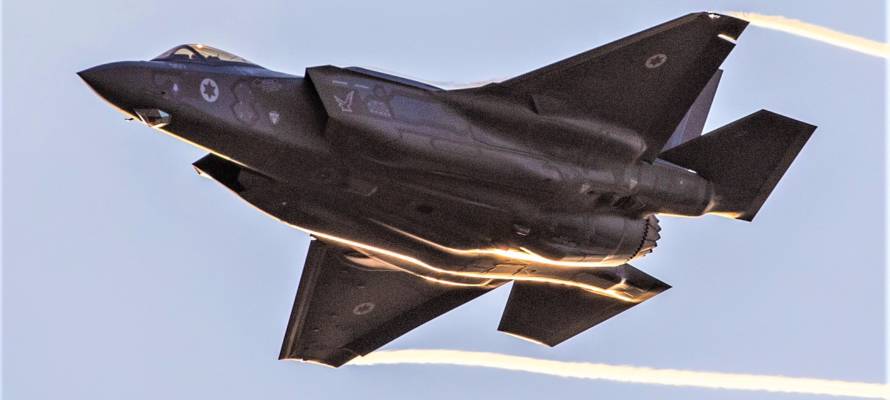
The largest share of the budget was allocated to the IDF and the Ministry of Defense.
By Ariel Sharfer, JFeed
The Israeli Ministry of Finance released its first comprehensive assessment on Sunday regarding the budgetary toll of “Operation Roaring Lion,” estimating direct government expenditures at approximately ₪35 billion.
Treasury officials emphasized that these figures are preliminary.
The final cost remains fluid, subject to further security developments and the continued processing of real-time data from the field.
Budgetary Breakdown: Defense, Compensation, and Civil Aid
The expenditure is categorized into three primary pillars, reflecting the multifaceted nature of the conflict’s impact on the national treasury:
Defense (₪22 Billion):
The largest share of the budget was allocated to the IDF and the Ministry of Defense.
These funds covered extensive military procurement and the large-scale mobilization of reservists, which exceeded initial strategic projections.
The Treasury noted that this sum is already integrated into the updated 2026 state budget.
Compensation and Damages (₪12 Billion):
This allocation funds various civilian relief tracks, including direct payouts for property damage caused by missile strikes and “eligible expenses” grants for small to medium-sized businesses (up to ₪400 million turnover) that suffered a revenue drop of 25% or more. It also covers the national unpaid leave (HALAT) framework.
Civilian Welfare and Emergency Services (₪1 Billion):
Funds were directed toward hospital adjustments, National Insurance payments for victims of hostilities, emergency equipment for local authorities, and specialized programs within the Ministry of Welfare.
Maintaining “Functional Continuity”
Despite the heavy financial burden, the Finance Ministry stated that the current estimates do not require an immediate overhaul of the approved state budget.
Finance Minister Bezalel Smotrich lauded the economic resilience of the country, stating:
“The employees of the Ministry of Finance and the Tax Authority are full partners in the tremendous achievements against Iran.
Responsible management has allowed us to provide the defense establishment with the tools it needs while simultaneously extending a hand to the businesses and citizens on the home front who were affected by the fighting.”
Looking Ahead: Long-term Risks and Potential Cuts
While the direct costs have been accounted for, the Treasury warned of “indirect” long-term consequences, such as the loss of national GDP, which will only become clear in the coming months.
Industry experts and military analysts suggest the financial challenge is far from over.
With the military campaign against Iran still considered active, future defense spending is expected to rise while public tax revenues may dwindle due to slowed economic activity.
Analysts warn that the enduring nature of the conflict will likely permeate all sectors of the Israeli economy, potentially forcing the government to implement significant budget cuts across various ministries to maintain fiscal stability in the near future.
Do You Love Israel? Make a Donation - Show Your Support!

Donate to vital charities that help protect Israeli citizens and inspire millions around the world to support Israel too!
Now more than ever, Israel needs your help to fight and win the war -- including on the battlefield of public opinion.
Antisemitism, anti-Israel bias and boycotts are out of control. Israel's enemies are inciting terror and violence against innocent Israelis and Jews around the world. Help us fight back!

