 Français
 Español
 English
 Portuguese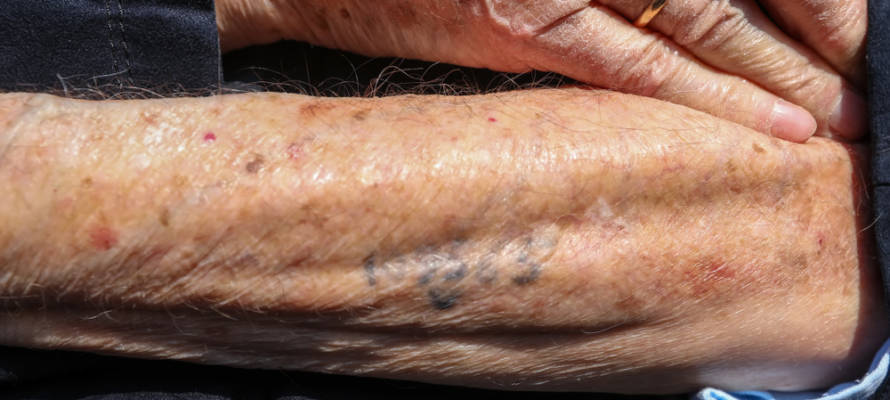
The report estimates that 115,000 survivors live in the country today. More than a quarter are confined to their homes, and many reside in older buildings without elevators.
By Shula Rosen
Holocaust survivors across Israel are missing or delaying medical treatment because they cannot easily reach specialists, navigate digital systems, or manage the physical demands of travel, according to a report issued by the nonprofit Lema’anam.
The group estimates that 115,000 survivors live in the country today. More than a quarter are confined to their homes, and many reside in older buildings without elevators.
Lema’anam reported a rise of more than 20% in appeals for help obtaining medical care and a more than 30% increase in reported obstacles to receiving it – a pattern that has intensified since the war began.
Access to specialists varies sharply by region. Peripheral communities in the north and south have roughly half the number of specialists per capita compared to central Israel.
For survivors, whose average age is 86, lengthy travel often becomes a deciding factor in whether to seek care at all.
The report also highlights delays linked to age. Patients over 80 are waiting weeks longer than younger adults for specialist appointments, even when medical needs are similar.
At the same time, the health system’s shift toward online scheduling and digital communication creates additional hurdles for elderly patients unfamiliar with such tools.
To bridge these gaps, Lema’anam has arranged thousands of medical transports for survivors around the country, each requiring careful planning due to frailty and fall risk.
In 2025, the organization delivered about 10,000 treatments, including more than 1,500 provided through mobile clinics and home visits for those unable to leave their residences.
Around Holocaust Remembrance Day, dozens of volunteer physicians visited survivors in their homes to provide routine and supportive care.
“It is important to state clearly, our responsibility to Holocaust survivors does not end with memory and commemoration,”Lema’anam CEO Raz Avitan told The Jerusalem Post. “The data from the field shows that a shortage of specialists, accessibility gaps, and medical ageism are causing many survivors to give up on medical treatment. This is a reality we must not accept.”
Do You Love Israel? Make a Donation - Show Your Support!

Donate to vital charities that help protect Israeli citizens and inspire millions around the world to support Israel too!
Now more than ever, Israel needs your help to fight and win the war -- including on the battlefield of public opinion.
Antisemitism, anti-Israel bias and boycotts are out of control. Israel's enemies are inciting terror and violence against innocent Israelis and Jews around the world. Help us fight back!

