 Français
 Español
 English
 Portuguese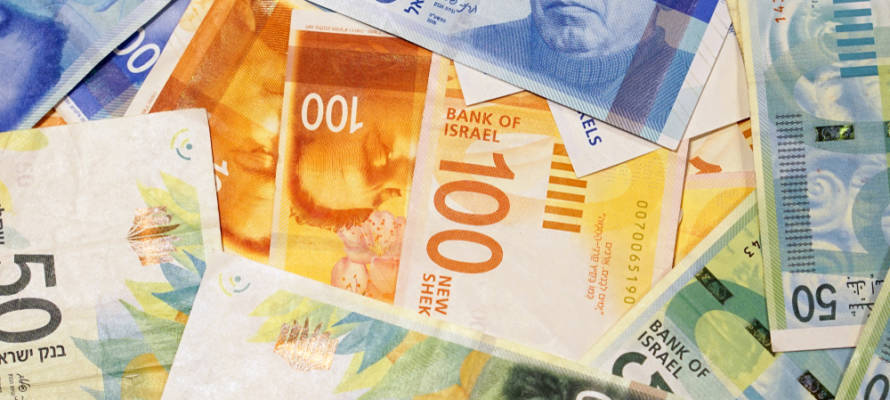
The Israeli currency’s gains have coincided with a broader decline in the dollar worldwide.
By Shula Rosen
The shekel climbed to its strongest level in nearly four years on Wednesday as the dollar weakened sharply, fueled by heavy foreign currency inflows into Israel and a broader global slide in the US currency.
After the Bank of Israel set the dollar’s representative rate at 3.19 shekels on Tuesday, the greenback continued to fall in early trading, slipping to about 3.18 shekels — its lowest level since March 2022. The euro also lost ground, trading at roughly 3.75 shekels.
Market participants attributed the move primarily to a surge in foreign exchange supply entering Israel, particularly toward the end of the year.
Significant sales of foreign currency have been carried out by exporters, institutional investors, and companies completing year-end financial activity, increasing pressure on the dollar while boosting the local currency.
Joe Fraiman, chief executive of Prico Group, told Ynet the continued weakening of the dollar against the shekel was widely anticipated, given the scale of foreign currency inflows. He said large volumes of foreign exchange are being sold by the business sector as part of year-end balance-sheet adjustments, alongside exporters converting revenues and institutions engaging in so-called window-dressing activity ahead of the new financial year.
Fraiman added that strong performance in global equity markets, together with ongoing foreign capital flowing into Israeli investments, has created a surplus of foreign currency supply that is supporting the shekel’s appreciation.
The local currency’s gains have coincided with a broader decline in the dollar worldwide. Fraiman said the shekel’s strength reflects the same global trend, as the dollar continues to lose ground against major currencies.
The currency moves followed the release of US economic data showing that the American economy expanded at an annualized rate of 4.3% in the third quarter, the fastest pace in two years and well above earlier forecasts of 3.3%. Growth in the second quarter was revised to 3.8%. The publication of the third-quarter data was delayed due to a 43-day US government shutdown.
Despite the strong growth figures, the dollar continued to weaken, a development Fraiman said was also reflected in rising prices for gold and other precious metals. He said gains in gold, which he said could climb further toward $4,800 an ounce, point to increasing concern among investors about instability in global sovereign bond markets.
Analysts said the combination of global currency trends and robust foreign inflows into Israel is likely to remain a key driver of shekel trading in the near term.
Do You Love Israel? Make a Donation - Show Your Support!

Donate to vital charities that help protect Israeli citizens and inspire millions around the world to support Israel too!
Now more than ever, Israel needs your help to fight and win the war -- including on the battlefield of public opinion.
Antisemitism, anti-Israel bias and boycotts are out of control. Israel's enemies are inciting terror and violence against innocent Israelis and Jews around the world. Help us fight back!

