 Français
 Español
 English
 Portuguese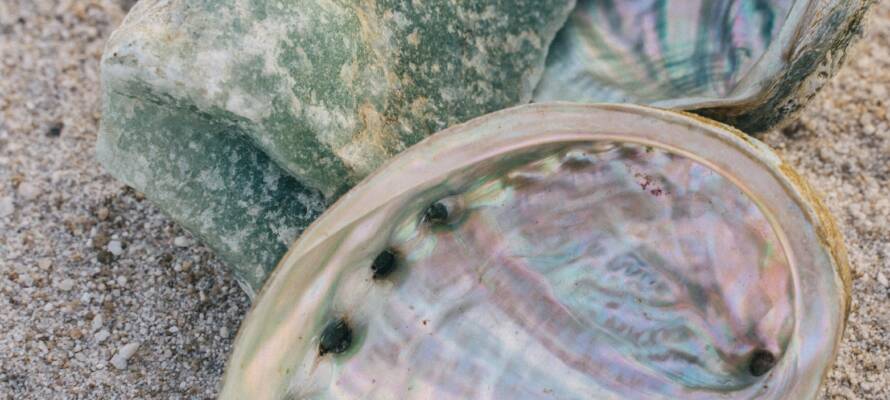
Inspired by the natural adhesion of marine mollusks, the innovation could soon replace surgical staples and sutures, which often cause additional pain and scarring.
By Shula Rosen
Researchers at the Technion–Israel Institute of Technology have developed a next-generation adhesive that seals wounds in seconds, even underwater or under extreme conditions.
Inspired by the natural adhesion of marine mollusks, the innovation could soon replace surgical staples and sutures, which often cause additional pain and scarring.
The new material—biomimetic hydrogel bioadhesives known as PTLAs—was created by Assistant Professor Shady Farah and doctoral student Qi Wu of the Wolfson Department of Chemical Engineering.
Produced via precision 3D printing, the bioadhesive combines modified tannic acid, polylysine, and acrylic acid to form a tissue-like sealant that performs well in wet or pressurized environments.
In laboratory and animal testing, the PTLA bioadhesive closed cuts on lamb organs and in live rat models within five seconds. Farah said the material’s ability to form a firm seal while resisting infection marks a major advance in wound care. “This innovation opens the door to bio-tapes and sealants that reduce trauma and speed recovery,” he told The Jerusalem Post.
The adhesive’s thermal shape-memory property allows it to adapt to body temperature, enabling minimally invasive applications.
It also remains stable under freezing or high-pressure conditions, which could make it valuable for emergency medicine, combat injuries, or field surgeries.
Tannic acid—a naturally occurring compound found in tea, grapes, and oak bark—plays a central role in the adhesive’s chemistry.
Its antimicrobial and antioxidant properties help protect damaged tissue from infection and inflammation while promoting collagen production and faster healing. Unlike earlier attempts to use tannic acid in wet conditions, the Technion design preserves its strength underwater, a key factor in surgeries involving internal organs or bleeding wounds.
The team notes that the powder form can self-gel when applied, allowing for easy storage and rapid preparation.
Farah said future versions may include embedded drugs to accelerate tissue repair. “Nature provides extraordinary solutions,” he said. “We just need to learn how to harness them.”
The study appears in Advanced Materials and has drawn interest from medical and defense sectors for its potential applications in both hospitals and on the battlefield.
Do You Love Israel? Make a Donation - Show Your Support!

Donate to vital charities that help protect Israeli citizens and inspire millions around the world to support Israel too!
Now more than ever, Israel needs your help to fight and win the war -- including on the battlefield of public opinion.
Antisemitism, anti-Israel bias and boycotts are out of control. Israel's enemies are inciting terror and violence against innocent Israelis and Jews around the world. Help us fight back!

