
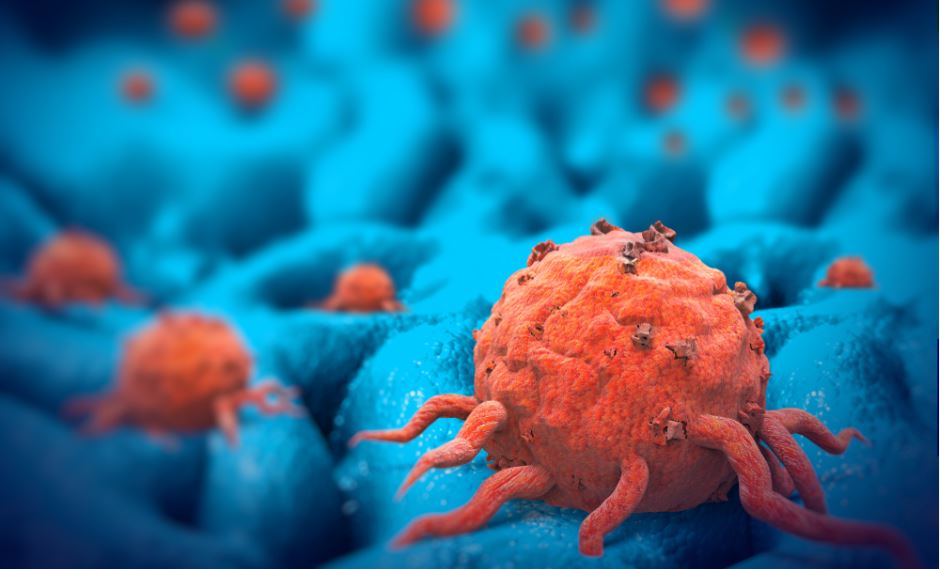
Researchers focused on macrophages — immune cells that normally protect the body but can switch sides once they enter a tumor.
By Shula Rosen
Scientists at the Weizmann Institute of Science say they have developed a new way to help the immune system fight cancer by targeting the tumor’s own defenses.
Their findings, published in Cell, describe a strategy that focuses on the tumor microenvironment—an area that often impairs the body’s natural ability to respond.
Researchers focused on macrophages, immune cells that normally protect the body but can switch sides once they enter a tumor.
A specific group of these cells carries high levels of a receptor called TREM2. When tumors recruit these TREM2-positive macrophages, patients tend to respond poorly to treatment.
Prof. Ido Amit, head of the Weizmann Immunotherapy Research Center, said that “tumors hijack them to suppress immune responses and promote their own growth.”
The Weizmann team—led by Michelle von Locquenghien, Dr. Pascale Zwicky and Dr. Ken Xie—created a new type of molecule designed to block these harmful macrophages and reactivate nearby immune cells that have become exhausted.
They call the molecules MiTEs, short for myeloid-targeted immunocytokines and NK/T-cell enhancers. Von Locquenghien described their purpose by saying, “These molecules are designed to turn both the tumor’s allies and its suppressive environment into its Achilles’ heel.”
To avoid dangerous side effects, the scientists added a protective layer that keeps MiTEs inactive while they circulate through the body.
Only when the molecules reach a tumor do enzymes found in that environment remove the molecular “mask,” releasing an immune-activating signal exactly where it is needed.
Advanced mapping tools helped the researchers understand how immune cells are arranged inside human tumors. Xie said that detailed imaging revealed TREM2-bearing macrophages sitting right next to tired killer cells, which guided the design of a therapy that could both block suppression and re-energize the cells meant to attack cancer.
In mouse models, MiTEs reduced tumor volume and triggered broad immune responses.
Tests on human kidney cancer tissue also showed strong immune activation. The scientists now plan to study long-term safety and explore how MiTEs might work together with existing treatments such as checkpoint inhibitors. Amit said the research shows the potential “to convert the tumor’s shield into the very weapon that defeats it.”
Do You Love Israel? Make a Donation - Show Your Support!


Donate to vital charities that help protect Israeli citizens and inspire millions around the world to support Israel too!
Now more than ever, Israel needs your help to fight and win the war -- including on the battlefield of public opinion.
Antisemitism, anti-Israel bias and boycotts are out of control. Israel's enemies are inciting terror and violence against innocent Israelis and Jews around the world. Help us fight back!