
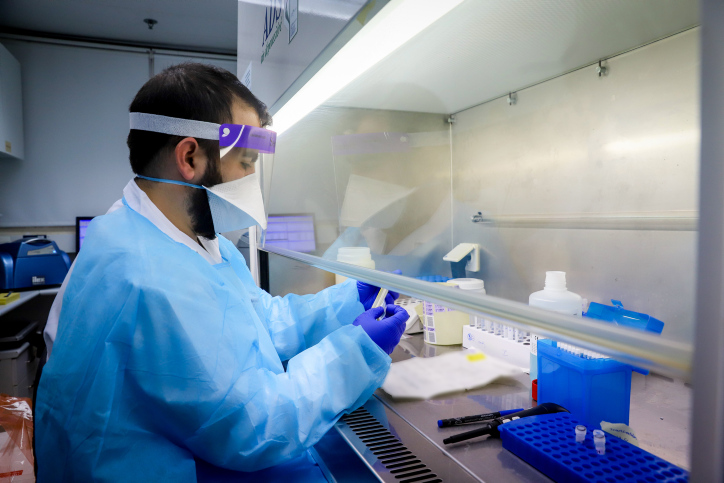
The company reported it has already simulated more than 350 trials with up to 90 percent accuracy.
By Shula Rosen
QuantHealth, an Israeli startup, has developed an artificial intelligence platform that predicts the outcome of clinical trials before they begin, a technology it says can save time, reduce costs, and improve the chances of success.
The company said it has already simulated more than 350 trials with up to 90% accuracy. Its platform is now being used in 23 therapeutic areas, including oncology, immunology, cardiometabolic disease, and gastroenterology.
One example involved a Phase 2 study by a global pharmaceutical company testing an autoimmune therapy.
QuantHealth’s system flagged a group of patients unlikely to respond, which would have weakened the trial.
By refocusing on a narrower population, the sponsor cut enrollment time by 15 months, saved $31.4 million, and raised the predicted probability of success by nearly threefold.
“By giving R&D teams a clearer understanding of how trials are going to perform before they begin, we’re helping them make smarter, more informed decisions,” said Orr Inbar, QuantHealth’s CEO and co-founder in a press release. “Every day and every dollar counts when advancing innovative assets.”
The company says its technology is particularly relevant for first-in-class drugs, which lack existing data and have some of the highest failure rates. Of the 350 trials simulated, 110 were first-in-class therapies and 168 were Phase 2 studies, where industry-wide success rates typically fall below 30 percent. Independent validations are underway through pharmaceutical partnerships and peer review.
Brigham Hyde, CEO of Atropos Health, a partner organization, said: “First-in-class assets are where the uncertainty is highest, and the stakes are greatest. Better predictions can help teams confidently advance transformative therapies and bring hope to patients in the most underserved disease areas.”
The announcement comes alongside the launch of QuantHealth’s Large Real-World Drug Model (LRDM v1.0), described as a foundation model for predicting drug effectiveness and patient outcomes. An updated version, LRDM 1.1, is scheduled for release later this year.
Do You Love Israel? Make a Donation - Show Your Support!


Donate to vital charities that help protect Israeli citizens and inspire millions around the world to support Israel too!
Now more than ever, Israel needs your help to fight and win the war -- including on the battlefield of public opinion.
Antisemitism, anti-Israel bias and boycotts are out of control. Israel's enemies are inciting terror and violence against innocent Israelis and Jews around the world. Help us fight back!