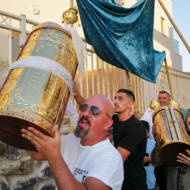
Concern for our material possessions does not represent indulgence, but the opposite. We learn this lesson from our forefather Jacob and the Festival of Sukkot.
The Lulav is the classic symbol throughout Jewish literature of the importance of balancing our priorities in life, which should include caring for our fellow human being.
Just as the purity of the body is essential in Judaism, so too is the unity of the Jewish people as a whole. We are one body, one family, and one soul.
As we pray at the Western Wall and gaze up at the Temple Mount, we cannot help but wonder why there is no Holy Temple today. Does it have anything to do with the slanderous report of the spies in the times of Moses?
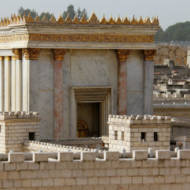
The Temple’s bricks and stone have been destroyed, but the Divine Promise still stands. The Temple will be rebuilt and until that day Zion will never be forgotten.
A leader wants to see his flock become successful on their own. This is certainly true in the material dimension, and it is just as true in the spiritual dimension.
The weekly portion features one of the great villains in the Torah, providing a great opportunity to discuss some of the other evil-doers in the Bible.
Setting goals is our road map for life, but the most important part is the follow through--taking every last step necessary to turn aspirations into reality!
Even when the letter of the law is on your side, you don’t necessarily need to enforce your every last right. Sometimes making concessions is the wiser choice.
Because Chanukah usually occurs in December, it is sometimes thought of as the "Jewish Christmas." It isn't, of course. But what's it's really all about?
Discover what the Torah has to say about polygamy, what the rabbis have say, and yes, there are situations in which polygamy is permitted even nowadays.